Industry Leading RAID 5 Data Recovery Services

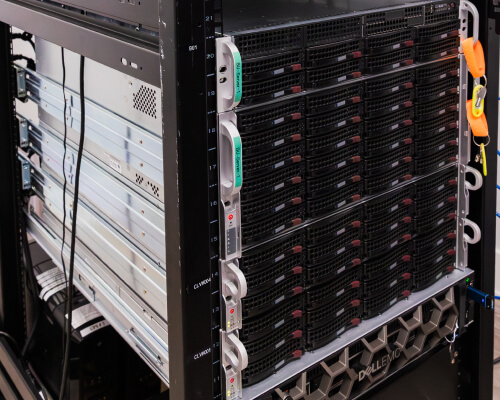
RAID 5 arrays are universally used across storage systems including standalone, NAS, and DAS. They are commonly used because they allow for fewer disks to be utilized while still maintaining redundancy. However, redundancy does not guarantee your system won’t experience data loss.

SOC logofips logogsa approved contractorbbb logocertified cleanroomApple Authorized Service Provider logo
Our customers rate our services:
4.9 of 5
star rating
Read Reviews

We Helped Thousands Get Their Lost data back

With over 7,175 satisfied customers & counting, we are proud to provide the service and results that exceed customer expectations.

Secure Data Recovery can recover your files from a RAID 5 array in any system. We are the industry leader in RAID data recovery and our engineers have decades of experience working with all manufacturers of RAIDs. We boast an overall 96% success rate for recovery from both physically and logically damaged RAID 5 arrays.

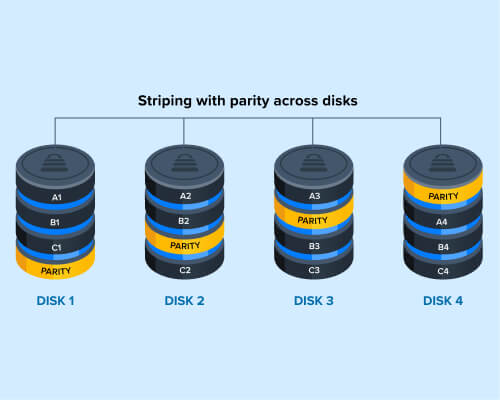
A single RAID 5 system must have a minimum of three hard drives. Data is written to the drives at the same time and is equally distributed among them. These systems are the most popular RAID configuration for storage archival, database environments, and more. Data loss on a RAID 5 can occur due to accidental file deletion, parity loss, or it may simply wear down after time.

Secure Data Recovery engineers have decades of experience in RAID recovery in all data loss situations. Our dedicated R&D team works to discover new recovery methods for existing and emerging media and uses proprietary technology for recovery.

RAID 5 Failure Scenarios

Consumers choose RAID 5s as a way to protect their data because they offer redundancy across disks. No matter the level of redundancy, a RAID level 5 can still fail due to user error or unavoidable physical damage. With its block-level striping and distributed parity, all drives except for one in a RAID 5 array need to be present in order to function.

Drive failures can fall into a few different categories including user error, environmental damage, and mechanical failure. In any of these scenarios, the best course of action is to power down your RAID 5. Attempting to turn on your system or rebuild it may result in data loss if done incorrectly. Some of the most common causes for RAID 5 failure are:

  • Failed Rebuild Attempt
  • Malfunctioning RAID Controller
  • Physical Damage Including Fire and Water
  • Multiple Disk Failure
  • RAID disks inaccessible after system upgrade
  • Missing RAID partition
  • Accidental Reformatting/Reinitialization

How to Recover from a RAID 5 Failure

When your RAID 5 fails or is receiving error messages, the best course of action is to turn the system off immediately and take the following steps to recover:

  • Call a professional data recovery company like Secure Data Recovery and give details about your RAID failure.
  • Securely package your array to be shipped to our certified lab.
  • Receive your recovered files on secure transfer media with our FIPS 140-2 Level 3 validated data handling practices.
  • Create an efficient backup plan for your data to prevent critical data loss in the future.

Why Choose Secure Data Recovery

At Secure Data Recovery, we understand that a RAID-5 failure means downtime for your business and stress for home users. We have the fastest turnaround times in the industry and an emergency service with an average 48-hour turnaround for RAID recovery. Engineers take the highest precautions when working with your storage devices by creating an image of the data to work from, keeping your device in its original condition.

After the imaging process, they perform RAID 5 analysis and assembly, file system repair, or database repair if necessary before extracting the data.

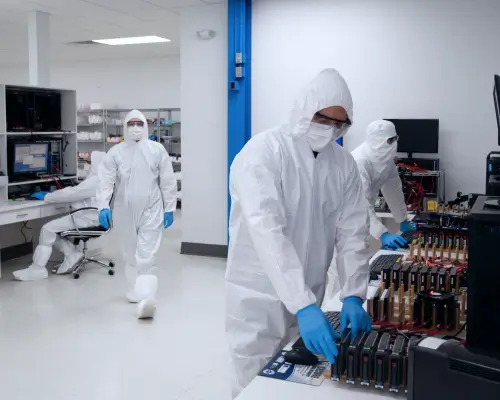
All of this work is done in an SSAE 18 Type II Audited lab, protecting data security throughout the entire process.

Advantages of using our services include:

  • Online case monitoring and 24/7 customer service
  • Risk-free diagnostics and upfront price quotes
  • On-site and Remote RAID 5 data recovery
  • High success rates and customer testimonials

When you need qualified and reliable data recovery for your RAID-5 or other RAID set, choose Secure Data Recovery. Call our 24/7 customer service line at 800-388-1266 to start your case today.

RAID 5 Data Recovery Reviews

Average rating 4.9

Rating based on 224 reviews

Leave Review
User Rating

Mar 11, 2026
5
Star Rating
Oustanding service in all aspects

Secure Data flawlessly retrieved the data from my broken drive. From starting the process VERY stressed about my situation, Kyle, the rep who handled my case, quickly put me at ease, talking me through the procedure. He was also happy to patiently babysit me throughout the process, answering my questions and concerns and keeping me up to date right up to the retreived data being delivered to my door. Outstanding!

User Rating

Mar 03, 2026
5
Star Rating
Complex RAID Recovery Handled Perfectly

We had an excellent experience with Secure Data Solutions handling a complex RAID failure on a server. Given the critical nature of the issue, their expertise and professionalism were evident from the start.Scott McMakin was exceptional throughout the entire process. He was consistently available and responsive, often replying early in the morning and late at night, ensuring we were never left without updates or guidance. His clear communication and deep technical knowledge made a very stressful situation much easier to manage.Despite the complexity of the failure, the recovery was successful. We highly recommend Secure Data Solutions to any organization facing serious or time-sensitive data recovery challenges.

User Rating

Jan 29, 2026
5
Star Rating
Great Overall Experience

Quick to respond and highly detail-oriented. Our issue was promptly triaged, and the work was clearly scoped so we knew what to expect from the start. The team did a phenomenal job overall, and once the work was completed, our data was fully recovered. I would highly recommend them for anyone in a bind when dealing with potential data loss.

Frequently Asked Questions