RAID Data Recovery for Every Level and Failure Type

We are the RAID data recovery specialists with advanced tools and techniques and an industry-leading 96% success rate. Our certified data recovery service has resolved thousands of cases involving common RAID levels and complex hybrid arrays.

This knowledge allows us to develop custom solutions and restore files that other companies cannot, including data loss from ransomware.

Trust the team with expertise across all RAID configurations and experience with NAS and SAN systems. A failed server or virtual machine does not mean permanent data loss.

SOC logofips logogsa approved contractorbbb logocertified cleanroomApple Authorized Service Provider logo
Our customers rate our services:
4.9 of 5
star
Read Reviews

We Helped Thousands Get Their Lost data back

With over 7,150 satisfied customers & counting, we are proud to provide the service and results that exceed customer expectations.

Reliable RAID Recovery

Plenty of companies claim to be the best when it comes to RAID recovery. We give you evidence of our expertise.

A redundant array of independent disks (RAID) can malfunction for many reasons. Our specialists have recovered data from thousands of failed systems since 2007. In that time, we have returned billions of critical files to customers just like you. It starts with cutting-edge research and offering data loss solutions that other services cannot. But our commitment does not stop there. Each member of our team aims to address your needs and resolve your case quickly.

When you choose us, you choose the best partner to get your data back.

Request a free quote today

Learn more about pricing
800-388-1266

RAID Hard Drive Recovery

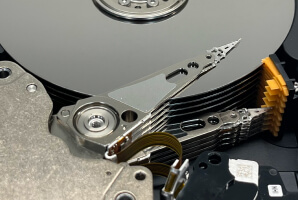
Most RAIDs use hard disk drives (HDDs) because they are a cost-effective option that suits the storage environment. While disks in a RAID are similar to standard hard drives from a hardware standpoint, they differ based on deployment. The basic design of RAID is simple. Instead of storing files on a single drive, RAID distributes data across multiple disks in the array. It uses techniques like striping, mirroring, and parity to improve performance and fault tolerance.

Each of these methods presents a unique challenge, but our engineers have a wealth of experience with every system. We partner with all major manufacturers to understand the finest nuances of each layout and technique. These certifications and our deep knowledge of levels, disk orders, stripe sizes, and parity allows us to reconstruct any RAID. And increases your odds of a quick, successful recovery.

Nested RAID Expertise

Nested arrays combine the features of different RAID levels within the same system or network. These configurations can enhance performance, increase storage space, and reduce the risk of data loss.

While hybrid arrays let users enjoy the perks of multiple levels, they are also complex storage systems. That is even more clear when something goes wrong. Recovering from a nested RAID failure involves understanding how each level interacts with others, advanced techniques, and unique tools.

Data Loss Solutions for Virtual Environments

Recovering data from virtual machines is a complex process that requires specific utilities and an in-depth knowledge of platforms. These environments store data in layers on virtual disks within a physical storage system like a RAID. And our engineers often need to address the physical and virtual layers during recoveries. Moreover, each virtual machine can contain disks with separate operating systems, file formats, and snapshots. To safely extract that data, you need a technician that understands these data structures. Lastly, different virtualization platforms like VMware and Hyper-V have their own hypervisors with unique features and challenges.

Virtual environments can have an increased risk of corruption from software conflicts or malware. We can help with that, too. Having an expert in those moments is critical. Our specialists can restore corrupt Veeam backups by parsing the RAID system to find file fragments and rebuild them. These custom solutions have retrieved data that other companies declared unrecoverable. They can do the same for you.

Reliable Data Recovery Process

1
1. Free Consultation

Power down the hard drive to minimize damage and overwriting. Call 24/7 to discuss the case.

2
2. Free Diagnostics

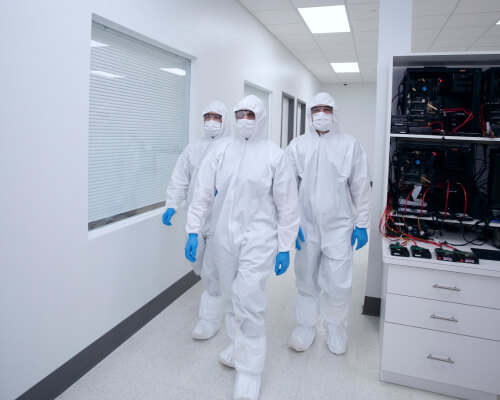
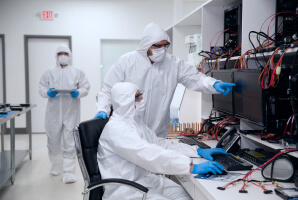
We diagnose the issue inside a certified cleanroom and develop a tailored plan to recover data.

3
3. Review & Decide

Our team provides a detailed report with a free quote and outlines service options for your case.

4
4. Guaranteed Result

You get your data back, or pay nothing. We return your files on an encrypted drive or secure server.

SAN and NAS Data Recovery

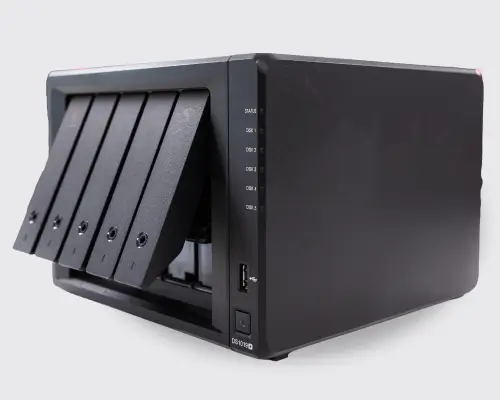
Though the designs are different, effective RAID recovery often requires knowledge of SAN and NAS data recovery as well. We excel at retrieving data from block-based arrays and file-level devices with RAID architecture. In addition, our team has access to purpose-built hardware and software for SAN and NAS operating systems like Synology DSM. Likewise, we have extensive experience with uncommon file systems, such as NetApp, EMC, and SNAP.

Restore Data On Servers With RAID Storage

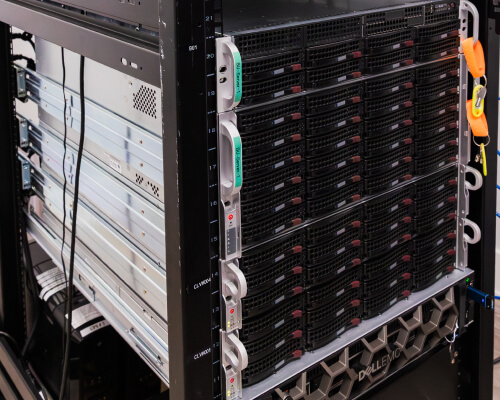
Our skilled engineers can recover data from crashed servers with RAID storage. We understand the value of data on a server and strive to reduce disruption and downtime. Servers from Dell, HP, IBM, Supermicro, and other companies have impressive fault tolerance. But sudden failure and data loss still happen. When disaster strikes, you can rely on us. Whatever the issue. We know all server brands, models, configurations, and firmware. That expertise means we can restore files on cluster, web, mail, and database servers or devices with one disk drive.

server drives

RAID Recovery Service for Ransomware

Ransomware is on the rise, and bad actors are known to target enterprise storage systems. If your RAID becomes infected with malware, there are options. We have developed several proprietary solutions for ransomware data recovery on compromised arrays.

Our specialists can often recover data even when the file table is encrypted or deleted. Without the RAID metadata, we manually assess the system’s structures to deduce its parameters. At that point, we locate fragments, stitch them together, and patch the missing parts of the file. This intricate process requires specialized hardware and software and a great deal of technical expertise. But it could be the difference between a full recovery and permanent data loss.

Our RAID Recovery Reviews

Average rating 4.9

Rating based on 224 reviews

Leave Review
User Rating

Mar 03, 2026
5
Star Rating
Complex RAID Recovery Handled Perfectly

We had an excellent experience with Secure Data Solutions handling a complex RAID failure on a server. Given the critical nature of the issue, their expertise and professionalism were evident from the start.Scott McMakin was exceptional throughout the entire process. He was consistently available and responsive, often replying early in the morning and late at night, ensuring we were never left without updates or guidance. His clear communication and deep technical knowledge made a very stressful situation much easier to manage.Despite the complexity of the failure, the recovery was successful. We highly recommend Secure Data Solutions to any organization facing serious or time-sensitive data recovery challenges.

User Rating

Jan 29, 2026
5
Star Rating
Great Overall Experience

Quick to respond and highly detail-oriented. Our issue was promptly triaged, and the work was clearly scoped so we knew what to expect from the start. The team did a phenomenal job overall, and once the work was completed, our data was fully recovered. I would highly recommend them for anyone in a bind when dealing with potential data loss.

User Rating

Jan 06, 2026
5
Star Rating
Excellent customer engagement

Had two drives fail in my RAID array, and Kyle provided the best support!Even though the drives had already been unusable at home for 8 months and this was definitely not an urgent fix, he was very prompt and clearly communicated all through the process and explained the diagnostic results.Turned out my wife and i decided that the value of the personal docs and data did not justify the cost of restoring the disks and we didn''t move forward with the fix. But still it was a very satisfying customer experience!

Supported RAID Configurations and Hardware

We work with all storage vendors to provide the best service on a damaged RAID. Here is a list of some common levels and hardware we can address:

Levels:
Hardware:
Servers:
  • Dell
  • HPE
  • IBM
  • Supermicro
  • Intel

Common Causes of RAID Data Loss

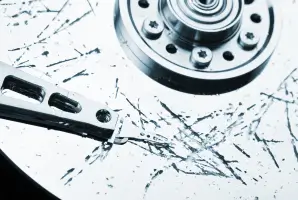
Data loss can occur on a RAID for dozens of reasons. Some failures, like a damaged disk, are obvious. Other issues are less apparent and can affect a large amount of data before detection. In many cases, one failure can compromise the whole RAID. The following failure modes are the most common causes of RAID data loss:

Hardware Failures:
  • Damaged disk(s)
  • Damaged controller
  • Sudden power surge
  • Burnt-out power supply
  • Defective hardware
Software Errors:
  • Malicious software
  • Corrupt file system and missing partitions
  • Failed redundancy
  • Flawed system setting or registry
  • Faulty update
Human Errors:
  • Accidental deletion
  • Accidental formatting
  • Accidental overwriting
  • Incorrect setup
  • Incorrect drive replacement

What To Do After RAID Errors

Shut down your system when you first notice a problem. Continued usage could inflict further damage to the array. Contact an expert as soon as possible.

These three steps can improve your experience:

  • Record the data loss. Note signs of damage, odd noises, power issues, and other strange events.
  • Label the disk order of the RAID.
  • Create a record of essential data. Include its location and volume size.

Detailed info can save time and speed up the process.

What Not To Do When Your RAID Fails

A RAID system can degrade quickly and destroy the stored data. To help prevent permanent data loss, avoid these actions:

  • Do not reset the system.
  • Do not remove and reinsert RAID members.
  • Do not try to repair the RAID with CHKDSK or fsck.
  • Do not run free software on the RAID.
  • Do not attempt to read from failing drives.

Frequently Asked Questions

Featured Articles

phone logo
800-388-1266
Request Free Quote