
Recovering data from a physically damaged hard drive requires more than technical expertise. It requires the right environment. Secure Data Recovery Services operates a fully certified Class 10 ISO 4 cleanroom, providing the controlled conditions necessary to perform safe, precise repairs on sensitive storage media.

When choosing a data recovery company, cleanroom certification is one of the most important factors to verify. Without a proper cleanroom environment, opening a hard drive exposes its internal components to airborne contaminants that can cause permanent, unrecoverable damage.
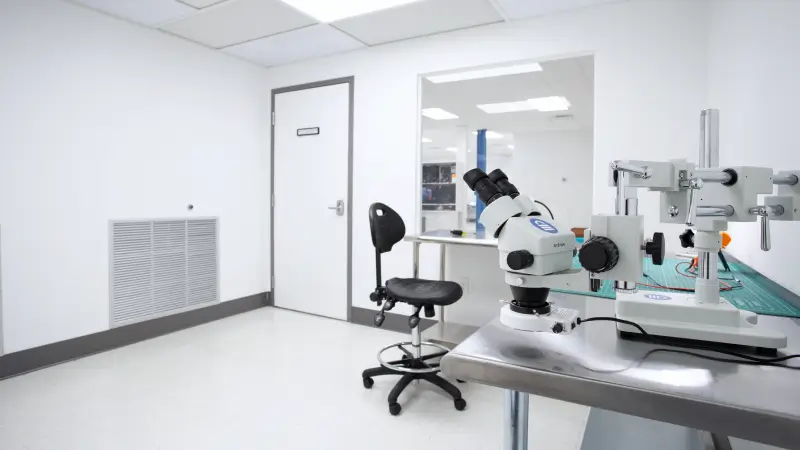
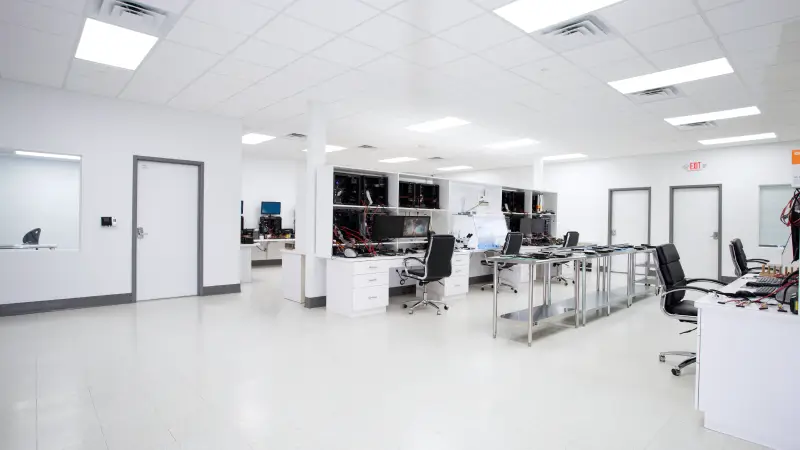
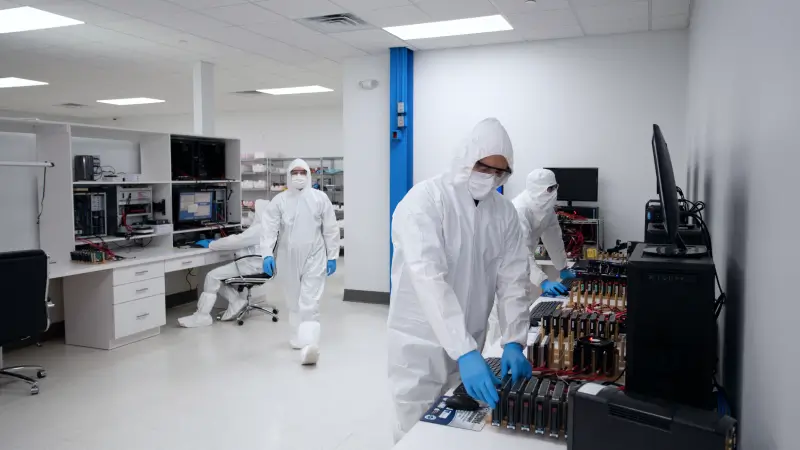
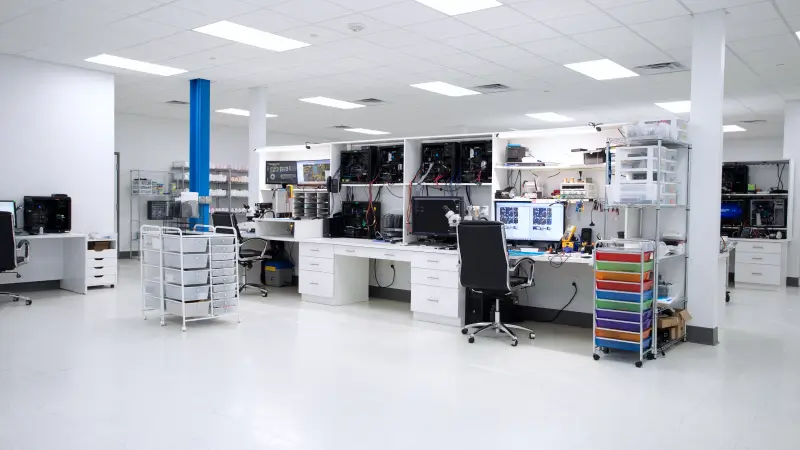
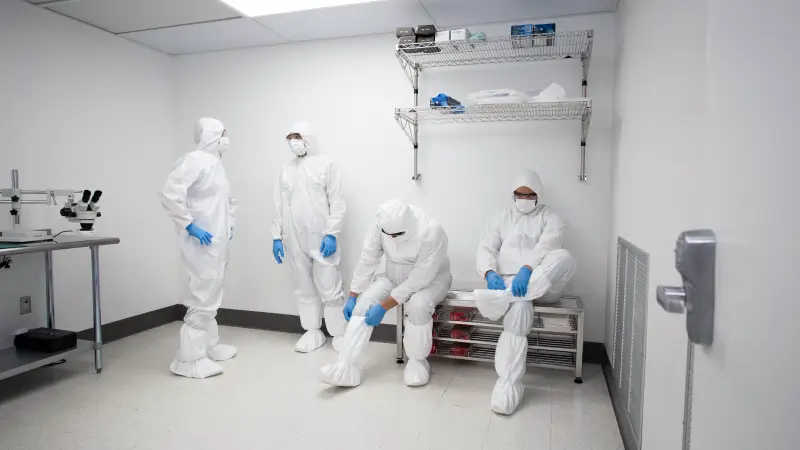
Secure Data Recovery Services maintains a certified Class 10 ISO 4 cleanroom, independently verified through strict audits and attestations. Our cleanroom uses highly accurate filtration systems combined with precise temperature and humidity controls to eliminate airborne particles and maintain a stable environment for even the most delicate recovery work.
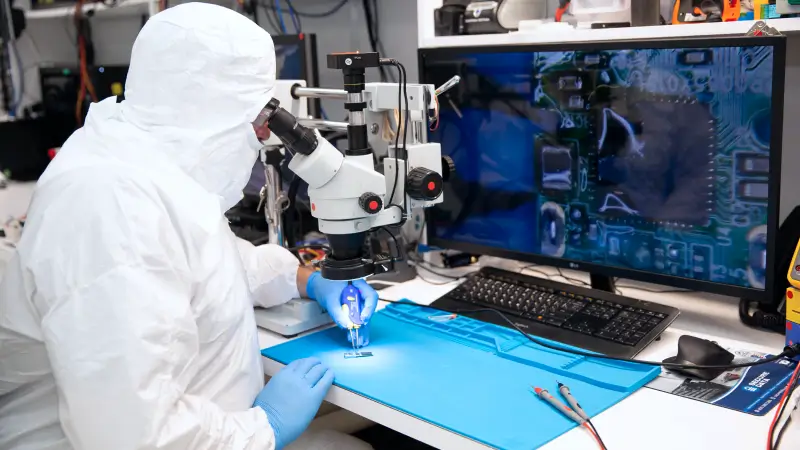
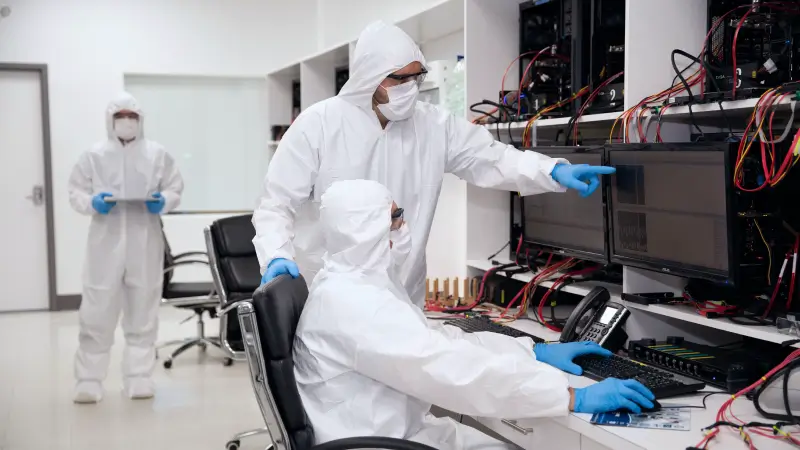
All of our engineers perform hard drive data recovery, RAID recovery, and advanced physical repairs exclusively inside our certified cleanroom. While many data recovery providers operate at the Class 100 standard, we hold our facilities to the more stringent Class 10 ISO 4 specification, providing an environment that is ten times cleaner and significantly safer for your storage media.
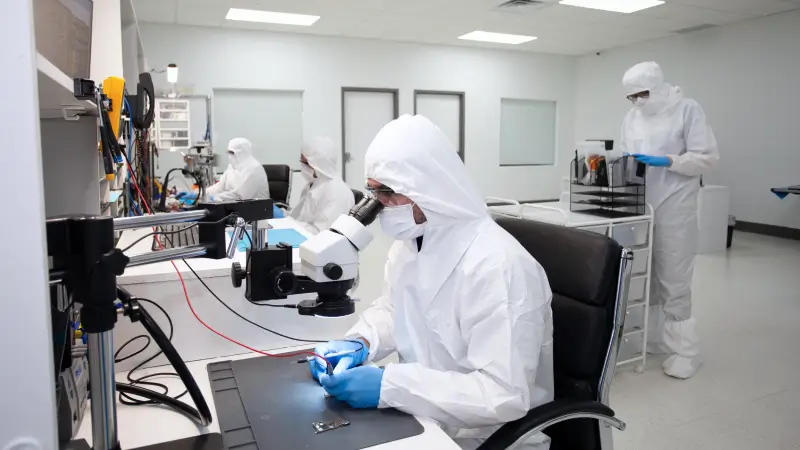
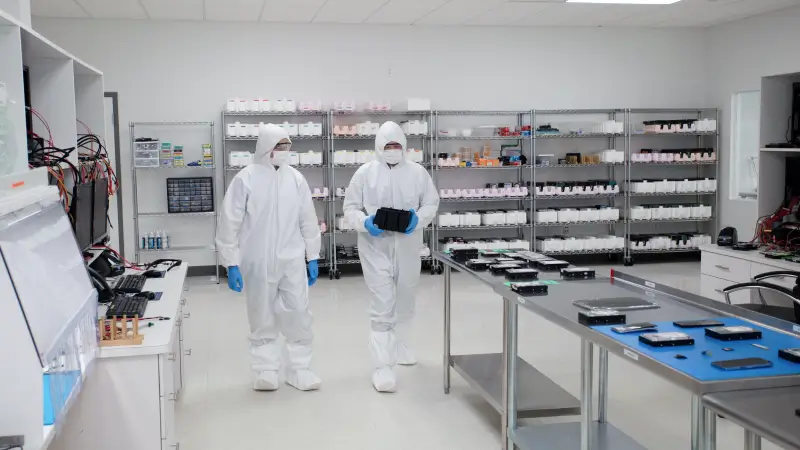
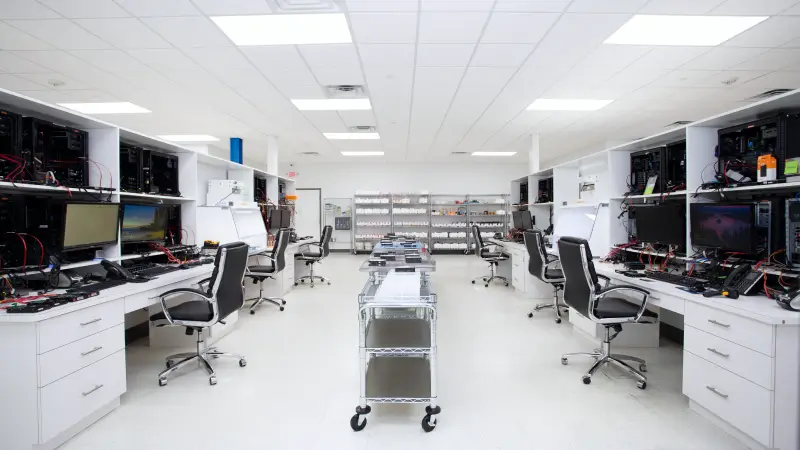
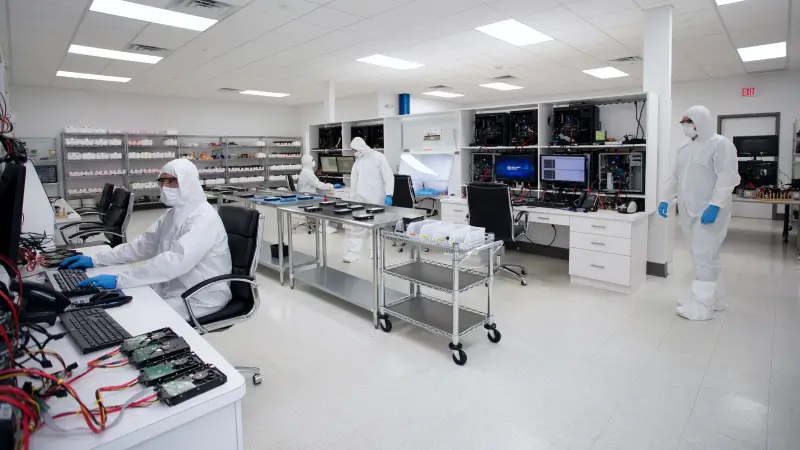
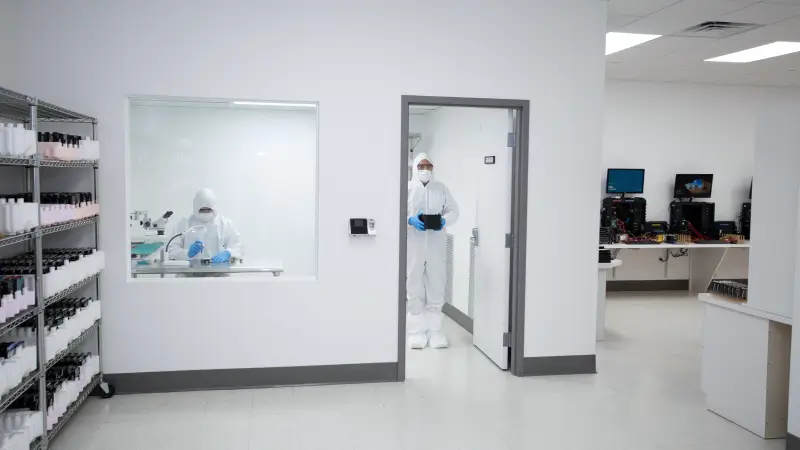
Never trust your storage media to a provider that cannot verify their cleanroom certification. Our photo gallery below gives you an inside look at the facility where your data recovery takes place, so you can see our Class 10 ISO 4 environment for yourself before you commit to a service.
Our cleanroom reflects our commitment to a higher standard of care. Every physically damaged device that comes through our doors is treated exclusively within this certified environment, protecting your hard drive and its components from the contamination that makes data permanently unrecoverable.

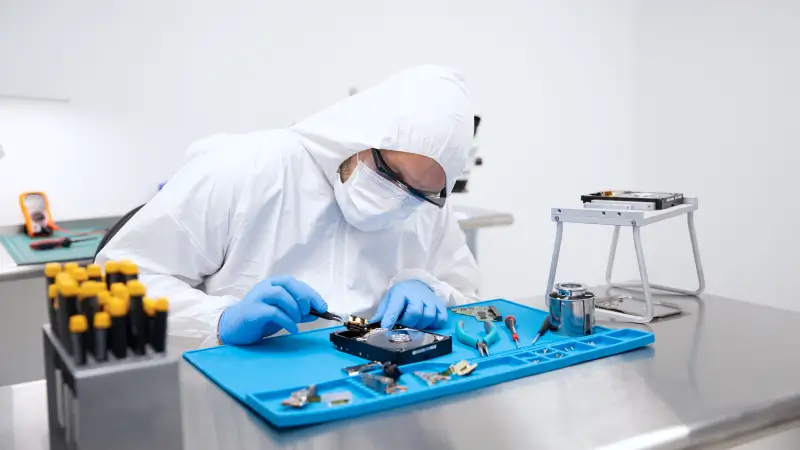

To understand why physical data recovery requires a cleanroom, it helps to consider the extraordinary precision of how hard drives work and specifically how a hard drive's read-write heads are replaced. On a typical hard drive, the read/write head assembly operates just a few nanometres above the platters that store your data. That distance is smaller than most bacteria and several hundred times smaller than the width of a single human hair.
When a hard drive is opened outside of a controlled environment, airborne contaminants become an immediate threat. Any foreign particle larger than a few microns that comes between the heads and platters can complicate or permanently prevent a successful recovery. A properly maintained and certified cleanroom eliminates that risk by controlling the concentration of airborne particles to an extraordinarily low level.
Secure Data Recovery Services is the only data recovery company in the United States with ISO 4 certification, which permits fewer than 2.9 particles sized 5 µm or larger per cubic metre which is a standard of cleanliness that far exceeds what most providers maintain.
Common cleanroom classifications used in data recovery:
Regular third-party testing is essential to verify that a cleanroom consistently meets its certified classification. Independent testing ensures accurate, unbiased reporting and confirms that the environment remains safe for recovery work over time. Our latest certifications are available to view below.
Cleanroom classifications are established by Federal Standard 209E and measured by the number of particles larger than 0.5 µm per cubic foot of air. The Class 100 standard is the most widely used in the data recovery industry and provides effective protection against contamination for hard drives and other sensitive storage media. At Secure Data Recovery Services, we hold our facility to a significantly higher standard.
Data recovery companies rely on two primary standards when classifying cleanrooms: US FED STD 209E and ISO 14644-1. Both measure the concentration of particles larger than 0.5 µm per cubic foot of air, and ISO 14644-1 also defines maximum and minimum limits for cleanroom environments. We comply with both standards to ensure the highest possible level of protection for your media.
For context, ISO 5, the most common cleanroom credential in the data recovery industry, permits up to 29 particles per cubic metre of air. Our Class 10 ISO 4 facility operates at a far stricter threshold, reducing contamination risk to a level that most providers simply do not maintain.
By investing in a certified Class 10 ISO 4 cleanroom alongside advanced diagnostic and recovery tools, we have built a reputation for safe, reliable recoveries throughout the United States, UK and Canada.
Power down the hard drive to minimize damage and overwriting. Call 24/7 to discuss the case.
We diagnose the issue inside a certified cleanroom and develop a plan to recover data.
Our team provides a detailed report with a free quote and outlines service options for your case.
You get your data back, or pay nothing. We return your files on an encrypted drive or secure server.

When a hard drive fails, where it gets opened matters as much as who opens it. Our certified engineers perform every physical recovery inside our Class 10 ISO 4 cleanroom, ensuring your drive's sensitive components are never exposed to the contaminants that cause permanent, unrecoverable damage. Our process is transparent and risk-free, and our No Data, No Recovery Fee guarantee means you only pay when we successfully recover your data.
If you have questions about our data recovery services, security policies, or data handling procedures, or if you need to make arrangements for a high-security recovery, our team is available around the clock. Call us at 800-388-1266 to speak with a data recovery expert, or find a data recovery service location near you.
Ready to talk?
Our core value is to support you in every way possible. Whether it’s answering your questions, setting up a case for your failed media, or sharing as much information as we can about the data recovery process - even if you decide not to use our services.
If you’re experiencing data loss, don’t hesitate to reach out to us right now.
Ready to talk?
Our core value is to support you in every way possible. Whether it’s answering your questions, setting up a case for your failed media, or sharing as much information as we can about the data recovery process - even if you decide not to use our services.
If you’re experiencing data loss, don’t hesitate to reach out to us right now.


.png)
